
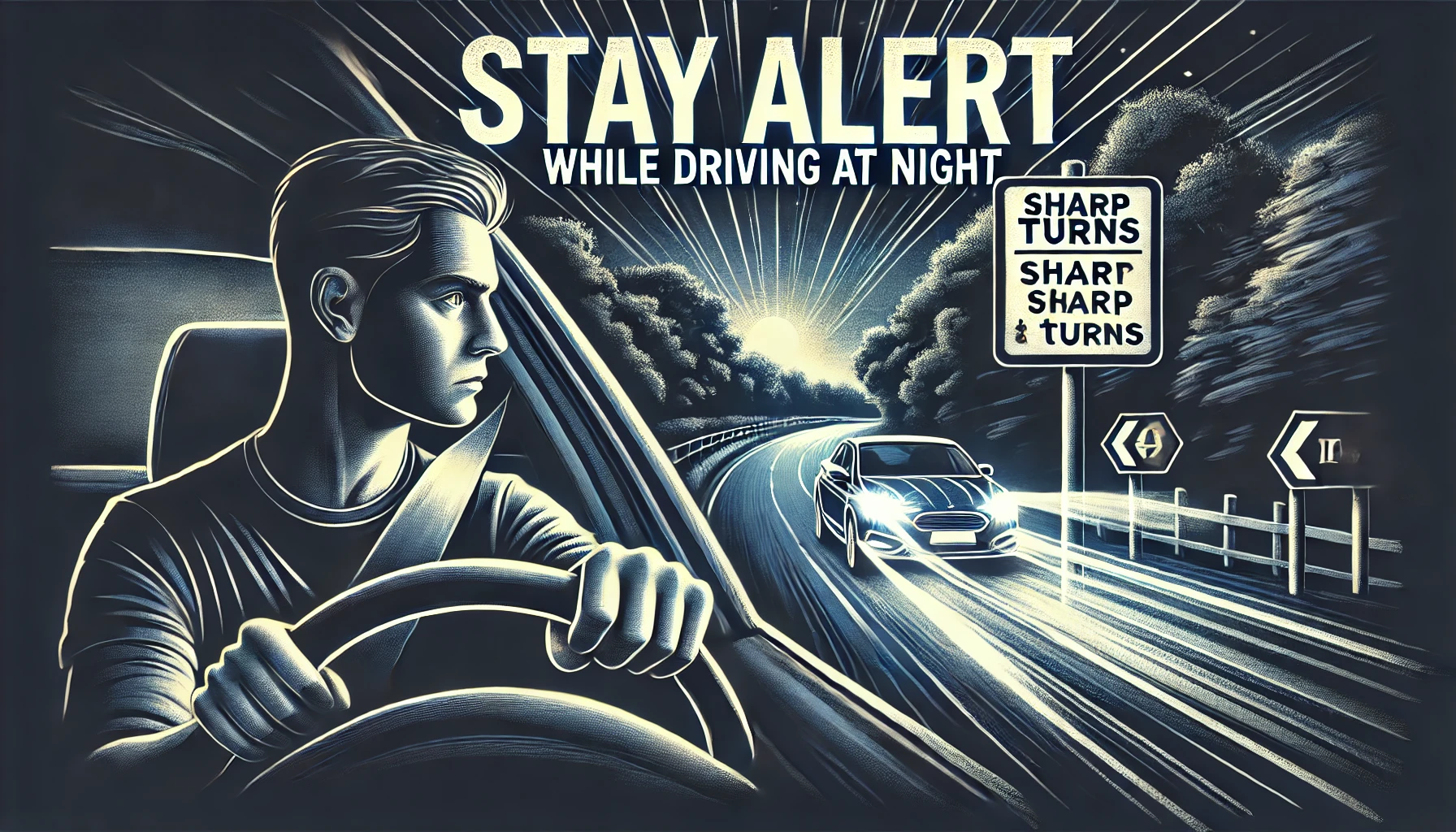
Driving at Night can be relaxing and quiet. Roads are sometimes quieter, and the movement of traffic is smoother. Night driving, however, has its own additional driving challenges which must be addressed with care. Limited sight and fatigue might impair reaction time. So it is of utmost importance to remain vigilant.
Learners are provided with support during Best Drive to help them learn the safe driving skills they need, including at night. By preparing and being aware of the environment, drivers can feel safe and confident even after dark.
Let’s look at ways you can remain focused and safe while driving at night.
Why Driving at Night Requires Extra Attention
Driving at night is a different experience from driving during the day. It might be harder to see and make out distances. This has made driving more of a task for drivers.
Common problems are:
- Reduced visibility
- Glare from headlights
- Driver tiredness
- Difficulty spotting pedestrians
- Limited reaction time
But if they are aware and prepared, drivers can successfully tackle these issues.
Prepare Your Vehicle Before Driving at Night
It is important to be well-prepared for any evening ride. Some straightforward tests can help keep you safe and confident.
Make sure to:
- Clean your windscreen
- Check headlights are working correctly
- Adjust mirrors properly
- Ensure tyres are in good condition
These steps enhance visibility and control, which helps people to drive at night in a safe way.
Stay Focused and Avoid Distractions
Distractions can turn more threatening at night. Darker roads are not as good for attention, even for small distractions.
To stay alert:
- Don’t keep your phone in your pocket!
- Adjust Mirrors before starting.
- Select music at an appropriate volume
- Keep your attention on the flow of traffic
This means that drivers have a better understanding of their environment.
Use Headlights Correctly
Headlights have a significant role in driving at Night. They help the driver to see the road, and other drivers to see you.
Remember to:
- Turn on headlights before dusk.
- Utilise dipped beams when driving on a road.
- Do not use high beams when other cars are coming up to you
- Regularly inspect lights for brightness
So, proper use of headlights enhances visibility and road safety.
Watch for Pedestrians and Cyclists
It’s more difficult to see people walking and riding bikes in the dark. Drivers are advised to be extra vigilant around crossings and neighbourhoods.
Always:
- Slow down at pedestrian crossings
- Perform a careful inspection of junctions
- Keep an eye on us around dark places
These habits help to make the night journeys safer as they contribute to better awareness and reaction time.
Take Breaks During Long Night Drives
Concentration is impaired by fatigue before the end of the night. So, drivers should make a plan during longer trips to take breaks.
Helpful tips include:
- Stop once every 2 hours.
- Drink water regularly
- Stretch during breaks
- Do not drive if extremely sleepy
This helps keep drivers fresh and alert while on the road.
Adjust Your Speed for Night Conditions
When driving at night, high speeds actually slow reaction times down. Drivers should always reduce speed carefully, as visibility is reduced.
Drivers will benefit from a safe speed because:
- Quickly respond to hazards
- When necessary, stop in a safe place
- Avoid getting chilly in the dark.
So, slower speeds can lead to greater safety after dark.
Why Night Driving Practice Helps New Drivers
At the start, many students are afraid of driving at Night. But guided practice supports confidence in a step-by-step fashion.
Without support from the teacher, the learner(s):
- Understand headlight control
- Improve observation skills
- Understand how to use safe speed management.
- Become more comfortable shooting in low-light settings
- The training makes drivers safer in all driving situations.
Best Drive offers driving lessons for night driving.
With professional help, night driving is easier to handle.
Safe techniques are practised in various road conditions at Best Drive.
Students benefit from:
- Friendly instruction
- Confidence-building lessons
- On-the-road awareness training.
- Supportive learning environment
- Flexible lesson schedules
Learners feel ready for day and night driving, therefore.
Is Driving at Night Safe?
Yes, it’s safe to driving at Night if drivers are alert and prepared. Plan, use headlights, and take frequent rest breaks to make for a safer ride.
If drivers practice and are aware, they can drive confidently even in the darkness.
FAQs About Driving at Night
Why is driving at night more difficult than daytime driving?
The visibility at night is reduced. Concentration can be reduced by tiredness and headlight glare.
How can I stay alert while driving at night?
Get regular breaks, drink plenty of fluids and do not be distracted. These are good habits that keep one focused.
Should I reduce speed when driving at night?
Yes. Slowing down allows drivers to respond to hazards safely and have time to react.
Is it safe for beginners to practice driving at night?
Yes. For beginners, this can be done with the help of the instructor so they can build self-confidence without being in danger in low light.
How do headlights improve night driving safety?
Headlights pave the way and let other drivers know what your car looks like.
You can also explore helpful driving guides and learner tips published on platforms like Blogspot, WordPress, Medium, and Weebly, where many instructors and driving schools, such as Driving Lessons, share useful advice for new drivers.