
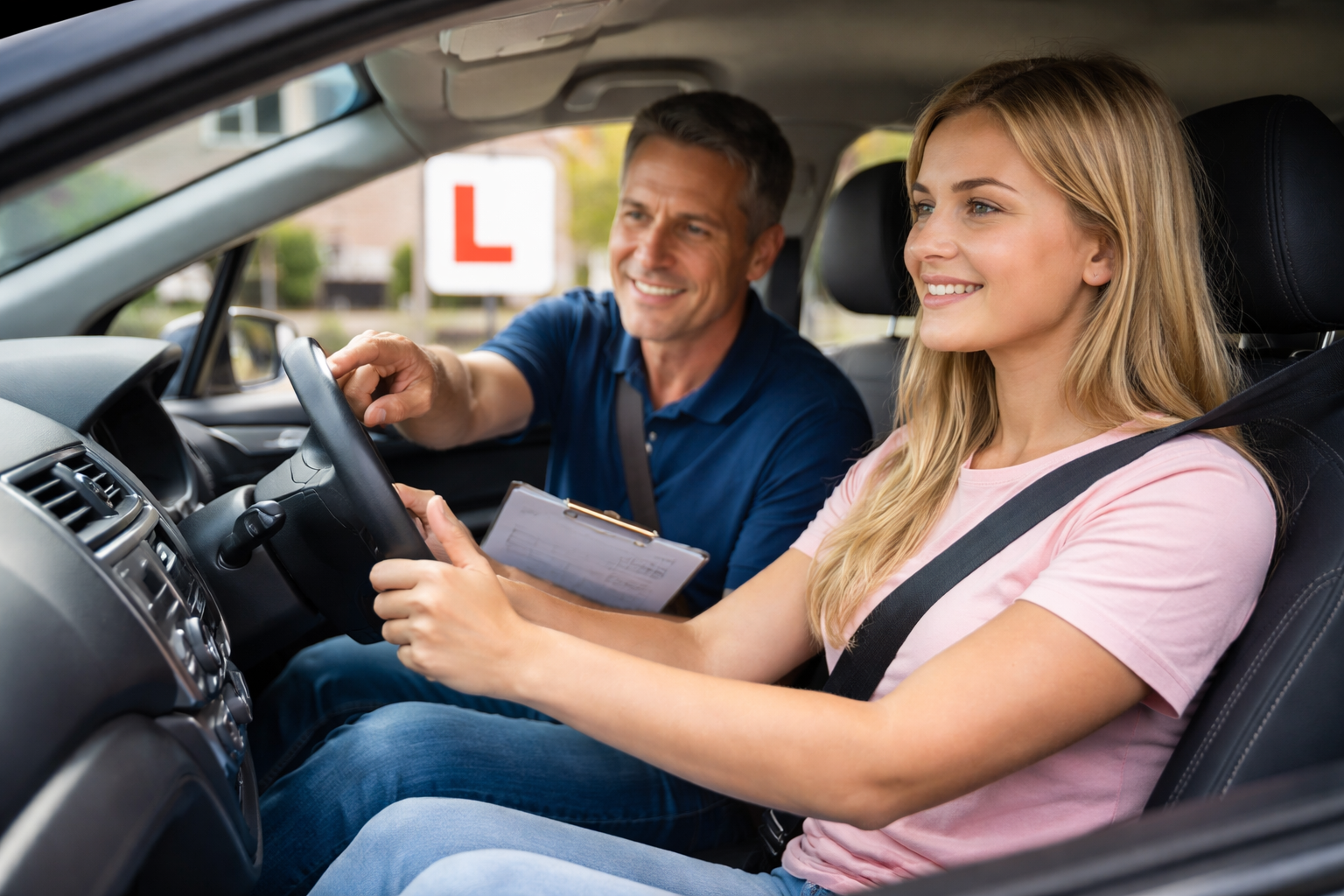
Learning how to drive a car is an exciting milestone. It opens the door to independence and confidence on the road. At first, driving may feel challenging. However, with the right guidance and practice, it quickly becomes natural and enjoyable.
This guide explains the essential steps every beginner should follow. Whether you are preparing for your first lesson or building confidence before your test, these tips will help you start safely.
Understanding the Basics Before You Start Driving
Before moving the car, it is important to understand the main controls. Knowing what each control does helps you stay calm and focused.
You should become familiar with:
- The steering wheel
- Accelerator pedal
- Brake pedal
- Clutch pedal in manual cars
- Gear selector
- Mirrors and indicators
Once you understand these controls, you feel more prepared for your first drive.
Adjust Your Seat and Mirrors First
Comfort and visibility are essential for safe driving. Therefore, always adjust your position before starting the engine.
Make sure you:
- Sit upright with clear road visibility
- Reach the pedals comfortably
- Adjust mirrors for a full rear view
- Keep both hands relaxed on the wheel
A correct seating position improves control and confidence.
Start the Engine Safely
Starting the engine is simple once you learn the correct steps. First, check that the gear is in neutral if you drive a manual car.
Then:
- Press the clutch fully
- Turn the key or press the start button
- Keep your foot on the brake
- Stay calm and ready to move
These steps prepare you for a smooth start.
Moving the Car Forward Smoothly
After starting the engine, you can begin moving slowly.
To move forward safely:
- Press the clutch gently in manual cars
- Select first gear
- Release the handbrake
- Press the accelerator lightly
- Release the clutch slowly
With practice, this process becomes easier each time.
Steering the Car with Confidence
Steering control improves with practice. Keep both hands on the steering wheel and stay relaxed.
Remember to:
- Turn smoothly
- Avoid sudden movements
- Look ahead instead of down
- Follow the road direction naturally
Good steering habits help you stay safe in all situations.
Changing Gears at the Right Time
Gear control is an important part of manual driving. However, learners become comfortable with practice.
You usually change gears when:
- The engine sound becomes louder
- The car gains speed
- You need more control on slopes
Smooth gear changes make driving more comfortable.
Using Mirrors and Signals Correctly
Observation keeps you aware of your surroundings. Therefore, always check mirrors before changing direction.
You should check mirrors when:
- Turning left or right
- Changing lanes
- Slowing down
- Stopping the car
Clear signalling helps other drivers understand your intentions.
Learning How to Stop the Car Safely
Stopping safely is just as important as moving forward.
Follow these steps:
- Check mirrors first
- Release the accelerator
- Press the brake gently
- Press the clutch in manual cars
- Stop smoothly and safely
Controlled stopping builds confidence during lessons.
Practising Safe Driving Habits from the Start
Safe habits help you become a responsible driver. It is always better to learn them early.
Important habits include:
- Keeping a safe distance from other vehicles
- Following speed limits
- Staying calm in traffic
- Watching pedestrians carefully
These habits improve both safety and confidence.
Why Learning with a Professional Instructor Helps
Although practice is important, guidance from a trained instructor makes learning easier. A professional instructor explains each step clearly and helps correct mistakes early.
With expert support, learners often:
- Build confidence faster
- Improve observation skills
- Prepare better for the driving test
- Feel relaxed during lessons
This support makes the learning experience smoother.
Staying Calm During Your First Driving Lessons
Feeling nervous at the beginning is normal. However, confidence grows quickly with regular practice.
To stay calm:
- Focus on one step at a time
- Listen carefully to instructions
- Practise regularly
- Stay patient with yourself
Soon, driving begins to feel natural and enjoyable.
FAQs About How to Drive a Car
How long does it take to learn how to drive a car?
Learning time varies for each person. However, regular practice with a qualified instructor helps most learners progress steadily.
Is driving a manual car harder than an automatic?
Manual driving requires gear control. However, many learners become comfortable with practice and guidance from instructors.
What should I do before starting the engine?
Adjust your seat and mirrors first. Then check that the gear is in the correct position and keep your foot on the brake before starting the engine.
How can beginners improve steering control?
Beginners improve steering control through regular practice and by keeping both hands relaxed on the wheel while looking ahead.
Why are mirror checks important while driving?
Mirror checks help drivers stay aware of nearby vehicles. This awareness improves safety during turns and lane changes.
Should beginners learn with a driving instructor?
Yes. Learning with a professional instructor helps beginners build confidence faster and prepares them properly for safe road driving.
You can also explore helpful driving guides and learner tips published on platforms like Blogspot, WordPress, Medium, and Weebly, where many instructors and driving schools, such as Driving Lessons, share useful advice for new drivers.