
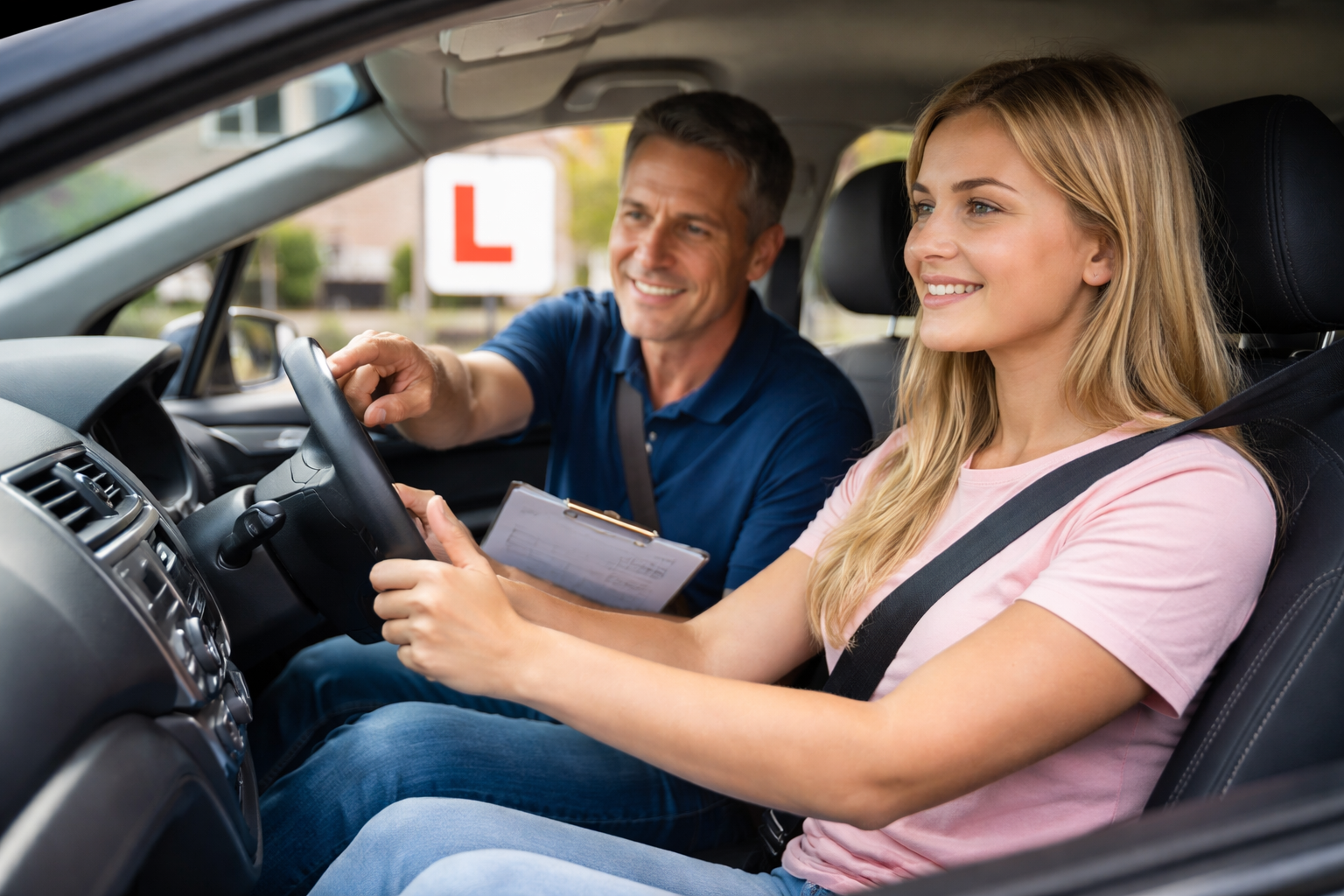
One of the most beneficial driving skills that every driver should learn is reverse parking. But many students are anxious about reversing into a parking space. The upside is that reverse parking is much easier once one learns it and practices regularly. Learning how to park properly in reverse can be helpful for those preparing for their test, or for anyone who wants to get better at parking.
For professional guidance in driving, one can avail of professional driving lessons with Best Drive to learn the art of reversing safely without causing confusion to others.
Why Reverse Parking is Important
Reverse parking is more than just a driving test exercise. The skill is one that drivers use on busy streets, in shopping centers, and in car parks on a daily basis.
When you park a vehicle in reverse, you have to take the time to do it correctly to help the driver:
- Park in close quarters safely
- Improve vehicle control
- Reduce accident risks
- Leave parking spaces more easily
- Increase overall driving confidence
Drivers also often find it safer to back into a space if they can see when going forward.
Stay Calm Before You Start
Rushing is one of the largest errors made by learners. Reverse parking takes time and concentration.
Before starting:
- Slow the car down
- Take a deep breath
- Check your surroundings
- Don’t be influenced by other drivers’ pressure.
- Don’t worry about going as fast as someone else; just try to keep yourself in control.
Avoid panicking when steering so that you can make better decisions.
Use Your Mirrors Properly
Mirrors are crucial when parking backward. When backing up, drivers must keep all mirrors constantly checked.
Make sure you:
- Periodically check side mirrors.
- Remember to use the rear-view mirror!
- Watch for pedestrians
- Keep an eye out for cars in motion
- Be conscious of any hazards in your surroundings
Safe parking and safety are improved with good observation.
Position Your Car Correctly
Reverse parking is much easier if done correctly. When you’re about to back up, position yourself correctly next to the parking bay or parked car.
Try to:
- Provide adequate space between vehicles
- Maintain proper alignment of your car
- Slowly go into position.
- Do not over-turn too early.
Positioning is important as it will minimize major corrections later.
Move Slowly and Stay in Control
Always park backward slowly. Rapid reversals make steering more difficult and increase the likelihood of mistakes.
Use clutch control and gentle braking to maintain a slow speed. This will allow you enough time to adjust the steering, if necessary.
Beginners will also feel more comfortable if the game is moving slowly.
Turn the Steering Smoothly
Poor parking angles can result from sharp or sudden steering movements. Instead, turn the steering wheel gradually and steadily.
While reversing:
- Turn gradually
- Keep an eye on parking lots
- Make subtle changes
- Make sure the wheel is straight, if necessary
Typically, a small steering correction is likely to be more effective than a large correction.
Practice Reverse Bay Parking
Reversing in the lane is a standard requirement in UK driving tests. It’s a parking maneuver performed by backing into a designated parking spot.
To enhance reverse bay parking:
- Make sure that the vehicle is set up properly.
- Look in the side and rearview mirrors and for blind spots.
- Reverse slowly
- When your reference point seems to change direction, turn.
- Straighten the car in the car bay.
Over time, you will develop a better understanding of how the vehicle moves with practice.
Learn Parallel Reverse Parking
The technique of parallel parking may be challenging at first. But practice makes it much easier if repeated regularly.
Key tips include:
- Start close to the parked car
- Reverse slowly
- Include unambiguous reference points.
- Keep checking mirrors
- If necessary, make a gradual adjustment gently.
Once students learn the right angles, many of them make rapid progress.
Avoid Common Reverse Parking Mistakes
Some parking pitfalls are common among beginners. Knowing them can help prevent issues.
Common mistakes include:
- Reversing too fast
- Forgetting blind spot checks
- Turning too early
- Turning too late
- Panicking under pressure
- Not correcting the steering
Slow and controlled practice is the best solution.
Practice in Quiet Areas First
Heavy traffic on the roads can make beginner drivers nervous. Begin practicing in quiet locations with fewer cars and distractions.
Good practice sites are:
- Empty car parks
- Quiet residential roads
- Open practice spaces
When you gain more confidence, you can try in more populated areas.
Take Professional Driving Lessons
Learning reverse parking can be much easier with the help of professional driving instructors. They provide learners with a safe space to practice and enable them to correct errors in a timely manner.
Learners are guided step-by-step at Best Drive School of Motoring to gain confidence and to improve their parking accuracy.
Advanced training is also provided by experienced teachers to help their students become familiar with driving test maneuvers in a relaxed, supportive atmosphere.
Reverse Parking Builds Driving Confidence
There are many drivers who don’t go for it because they lack confidence when parking in narrow spaces. If taught correctly, however, reverse parking can be beneficial for general driving skills.
As their skills grow, they will:
- Feel less nervous
- Park more accurately
- Handle in difficult areas more effectively
- Drive more confidently in busy areas
With practice and guidance, confidence builds.
Conclusion
It can seem hard at first to get into the habit of reverse parking, but with patience and practice, it will be easier. Calmness, proper use of mirrors, and reversing slowly are some of the best ways to improve parking skills.
Professional lessons will also help the learner learn the proper techniques more quickly. Once you get some practice, reversing will become second nature and easy.
Best Drive offers driving lessons for all experience levels and provides expert assistance with parking skills and driving confidence.
Frequently Asked Questions (FAQs)
Why is reverse parking important?
Reverse parking provides better control, safety, and accuracy in parking in small areas.
Is reverse parking difficult for beginners?
This can be difficult initially. With practice and good instruction, however, it becomes much easier with time.
What is the biggest mistake during reverse parking?
An easy error to make is spinning backward too fast. Slow, controlled movements help drivers park more accurately.
How can I improve my reverse parking skills?
Regular practice in quiet locations, correct use of mirrors, and smooth steering actions.
Should I use mirrors while reverse parking?
Yes. Use mirrors to safely see what is around you, including parking lanes, obstacles, people, and cars.
Is reverse parking part of the UK driving test?
Yes. Reverse parking and parallel parking are often tested in UK driving tests.
How long does it take to learn reverse parking?
Learning time is different for each person. There is improvement in some learners within a few lessons and in others with more practice.
Can driving lessons help with reverse parking?
Yes. Best Drive offers lessons to help you safely and confidently improve your skill at pulling out of a parking space.
You can also explore helpful driving guides and learner tips published on platforms like Blogspot, WordPress, Medium, and Weebly, where many instructors and driving schools, such as Driving Lessons, share useful advice for new drivers.